
Planar Mirror Lighting Solutions: 10 Essential Design Principles for Modern Illumination
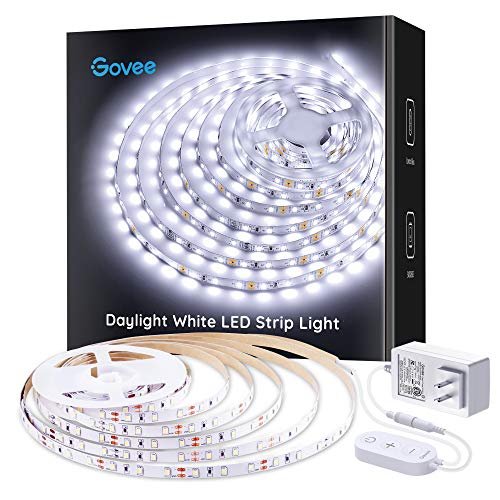
Linear LED Planar Mirror Light Strip
Sleek linear LED lighting solution designed specifically for planar mirror installations. Features edge-lit technology with uniform light distribution and customizable color temperature settings for optimal mirror illumination.
Key Features:
- Edge-lit LED technology
- Uniform light distribution
- Color temperature adjustment
- Dimmable functionality
- Easy installation system
- Energy-efficient design
- Long lifespan rating
- Sleek minimalist profile

Backlit Planar Mirror Panel System
Complete backlit mirror panel system featuring integrated LED lighting technology. Provides even illumination across the entire mirror surface with anti-glare properties and smart control compatibility for modern bathroom and vanity applications.
Key Features:
- Full-panel backlighting
- Anti-glare technology
- Smart home integration
- Touch sensor controls
- Moisture-resistant construction
- Color-changing capability
- Memory function settings

Frameless Planar Mirror with Integrated Lighting
Premium frameless planar mirror featuring seamlessly integrated perimeter lighting. Combines high-quality reflective surface with advanced LED technology to create stunning visual effects while providing practical illumination for grooming and aesthetic applications.
Key Features:
- Seamless integration design
- Perimeter LED lighting
- High-quality reflective surface
- Defog heating element
- Motion sensor activation
- IP44 water resistance
- Color rendering optimization
- Wireless control capability
Understanding Planar Mirror Lighting Technology and the 10 Core Principles
Planar mirror lighting represents a revolutionary approach to illumination that combines reflective surfaces with advanced LED technology. This innovative lighting solution addresses the 10 fundamental principles that govern effective mirror illumination design.
The concept of planar mirror lighting has evolved significantly, with modern systems incorporating sophisticated features that enhance both functionality and aesthetics. Understanding these 10 essential principles ensures optimal performance and visual appeal in any installation.
The Science Behind Planar Mirror Illumination
Planar mirrors work by utilizing flat reflective surfaces that redirect light in predictable patterns. When combined with strategically positioned LED elements, these systems create uniform illumination that eliminates shadows and hotspots. The 10 key factors that influence performance include light placement, color temperature, beam angle, and reflective quality.
Modern planar mirror lighting systems leverage advanced optics to achieve superior light distribution. The integration of these 10 principles ensures that users experience consistent, high-quality illumination across the entire mirror surface.
Design Applications and the 10 Essential Installation Considerations
Successful planar mirror lighting installations require careful attention to 10 critical design factors that influence both performance and longevity. These considerations encompass everything from electrical requirements to aesthetic integration within existing spaces.
Bathroom applications represent the most common use case for planar mirror lighting systems. The 10 primary installation considerations include moisture protection, electrical safety, mounting methods, and user accessibility. Proper planning ensures optimal results and long-term satisfaction.
Residential Installation Requirements
Residential planar mirror lighting projects must address specific requirements related to safety and functionality. The 10 essential elements include proper electrical connections, adequate ventilation, appropriate sizing, and user-friendly controls. These factors directly impact system performance and user experience.
Commercial applications often involve larger scale installations with more complex requirements. Understanding the 10 fundamental principles helps designers create solutions that meet both aesthetic and functional objectives while maintaining compliance with relevant building codes.
Technical Specifications and 10 Performance Optimization Strategies
Optimizing planar mirror lighting performance requires understanding 10 key technical parameters that influence system effectiveness. These specifications determine everything from light output to energy consumption and operational lifespan.
LED technology forms the foundation of modern planar mirror lighting systems. The 10 most important technical considerations include color rendering index, luminous efficacy, thermal management, and driver compatibility. Proper specification ensures reliable operation and superior visual results.
Color Temperature and Light Quality
Color temperature selection significantly impacts the effectiveness of planar mirror lighting installations. The 10 standard temperature ranges offer different benefits for various applications, from warm ambient lighting to cool task-oriented illumination. Understanding these options helps users select optimal configurations.
Dimmability represents another crucial aspect of planar mirror lighting systems. Modern installations typically incorporate 10 or more dimming levels, allowing users to adjust brightness according to specific needs and preferences.
Maintenance Requirements and 10 Best Practices for Longevity
Proper maintenance ensures planar mirror lighting systems continue performing optimally throughout their operational lifespan. Following 10 essential maintenance practices helps prevent common issues and extends system longevity.
Regular cleaning represents the most important maintenance activity for planar mirror lighting installations. The 10 recommended cleaning procedures include using appropriate cleaning solutions, following manufacturer guidelines, and avoiding abrasive materials that could damage reflective surfaces.
Troubleshooting Common Issues
When problems occur with planar mirror lighting systems, systematic troubleshooting helps identify root causes quickly. The 10 most common issues include uneven illumination, flickering, color inconsistency, and control malfunctions. Understanding these problems enables faster resolution and reduced downtime.
Preventive maintenance schedules should incorporate inspections of all system components. The 10 key inspection points include LED functionality, electrical connections, mounting hardware, and control systems.
Energy Efficiency and the 10 Sustainability Benefits
Modern planar mirror lighting systems offer exceptional energy efficiency compared to traditional lighting solutions. Understanding the 10 primary efficiency benefits helps users make informed decisions about system upgrades and new installations.
LED technology provides the foundation for energy-efficient planar mirror lighting. The 10 key efficiency factors include reduced power consumption, minimal heat generation, extended lifespan, and improved light output. These characteristics translate directly into lower operating costs and reduced environmental impact.
Smart Control Integration
Smart control systems enhance the efficiency of planar mirror lighting installations by providing automated operation and energy monitoring capabilities. The 10 most valuable smart features include occupancy sensing, daylight harvesting, scheduling, and remote monitoring. These technologies optimize energy consumption while maintaining optimal illumination levels.
Return on investment calculations for planar mirror lighting systems typically consider 10 or more years of operation. The combination of reduced energy consumption and minimal maintenance requirements creates compelling economic benefits for both residential and commercial applications.
Future Trends and 10 Innovative Technologies in Planar Mirror Lighting
The planar mirror lighting industry continues evolving with new technologies that enhance performance and expand application possibilities. Understanding these 10 emerging trends helps users prepare for future upgrade opportunities and technology advances.
Artificial intelligence integration represents one of the most significant developments in planar mirror lighting technology. The 10 key AI applications include adaptive brightness control, predictive maintenance, user behavior learning, and energy optimization. These capabilities create more responsive and efficient lighting systems.
Advanced Materials and Manufacturing
New materials and manufacturing processes are enabling improved planar mirror lighting designs with enhanced durability and performance characteristics. The 10 most promising material innovations include advanced reflective coatings, improved LED substrates, and enhanced thermal management materials.
Wireless connectivity continues expanding the capabilities of planar mirror lighting systems. The 10 primary wireless technologies enable remote control, system monitoring, firmware updates, and integration with broader smart home ecosystems.
Frequently Asked Questions
Maximizing Your Investment in Planar Mirror Lighting Technology
Planar mirror lighting represents a sophisticated solution that combines form and function to create exceptional illumination experiences. Understanding the 10 fundamental principles discussed throughout this guide enables informed decision-making and successful installations that deliver lasting value.
The technology continues evolving with new innovations that enhance performance while reducing energy consumption and maintenance requirements. Whether planning a residential bathroom upgrade or a commercial installation, these 10 core concepts provide the foundation for achieving optimal results.
Investment in quality planar mirror lighting systems pays dividends through reduced operating costs, improved aesthetics, and enhanced functionality. The combination of advanced LED technology, smart controls, and thoughtful design creates lighting solutions that exceed expectations while supporting sustainability goals.
As you consider planar mirror lighting options, remember that proper planning and professional installation ensure the best possible outcomes. The 10 principles outlined here serve as your roadmap to successful implementation and long-term satisfaction with your lighting investment.